FMFilippo Massa
Racecraft

Racecraft

Open-wheel precision. Closed-wheel adaptability.

Filippo Massa's development is built around learning how to be fast across different race cars, conditions, feedback cycles, and racing environments.

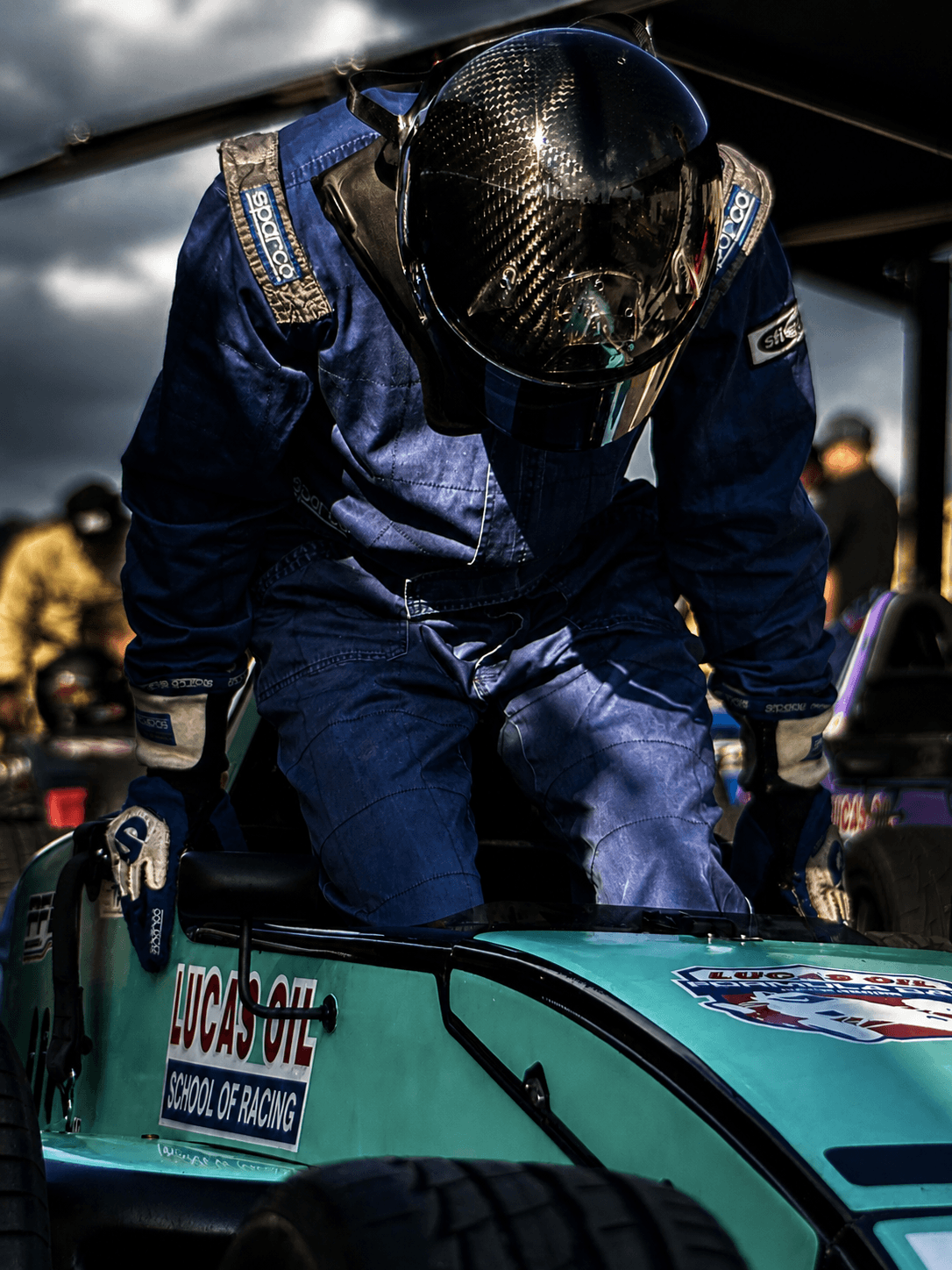
Filippo Massa getting into open-wheel car number 70
Technical ProfileU.S. Development

Preparation before track time

RACECRAFT FOOTAGE

Racecraft from the cockpit.

Onboard footage showing Filippo Massa's development through real race conditions, traffic awareness, and open-wheel seat time.

Racecraft Footage

Adaptability Across Cars

Racecraft visual profile

Preparation, traffic, and wheel-to-wheel awareness.

Selected open-wheel imagery gives the racecraft page its own visual language: cockpit focus, traffic reading, cornering detail, and side-by-side awareness.

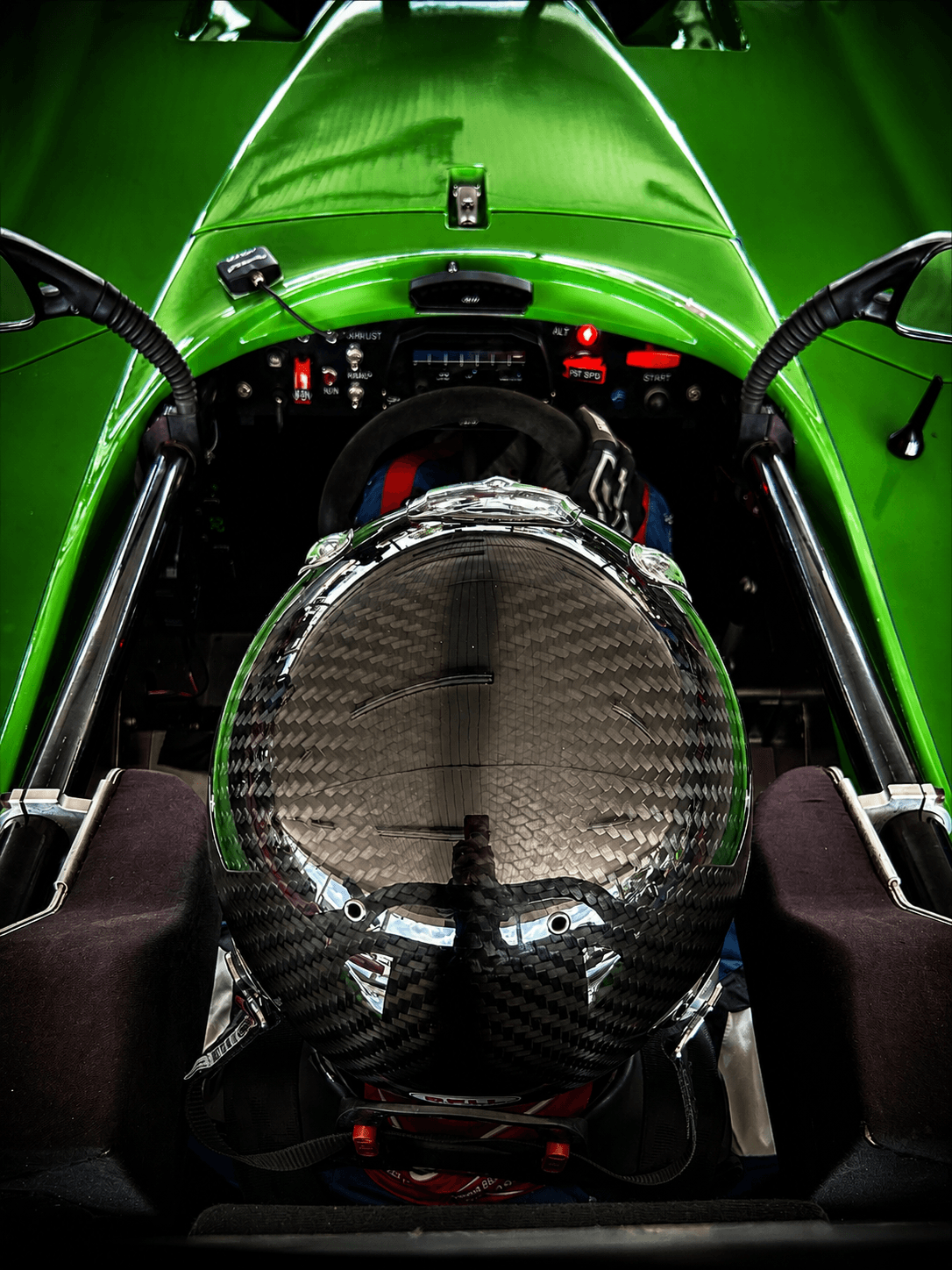
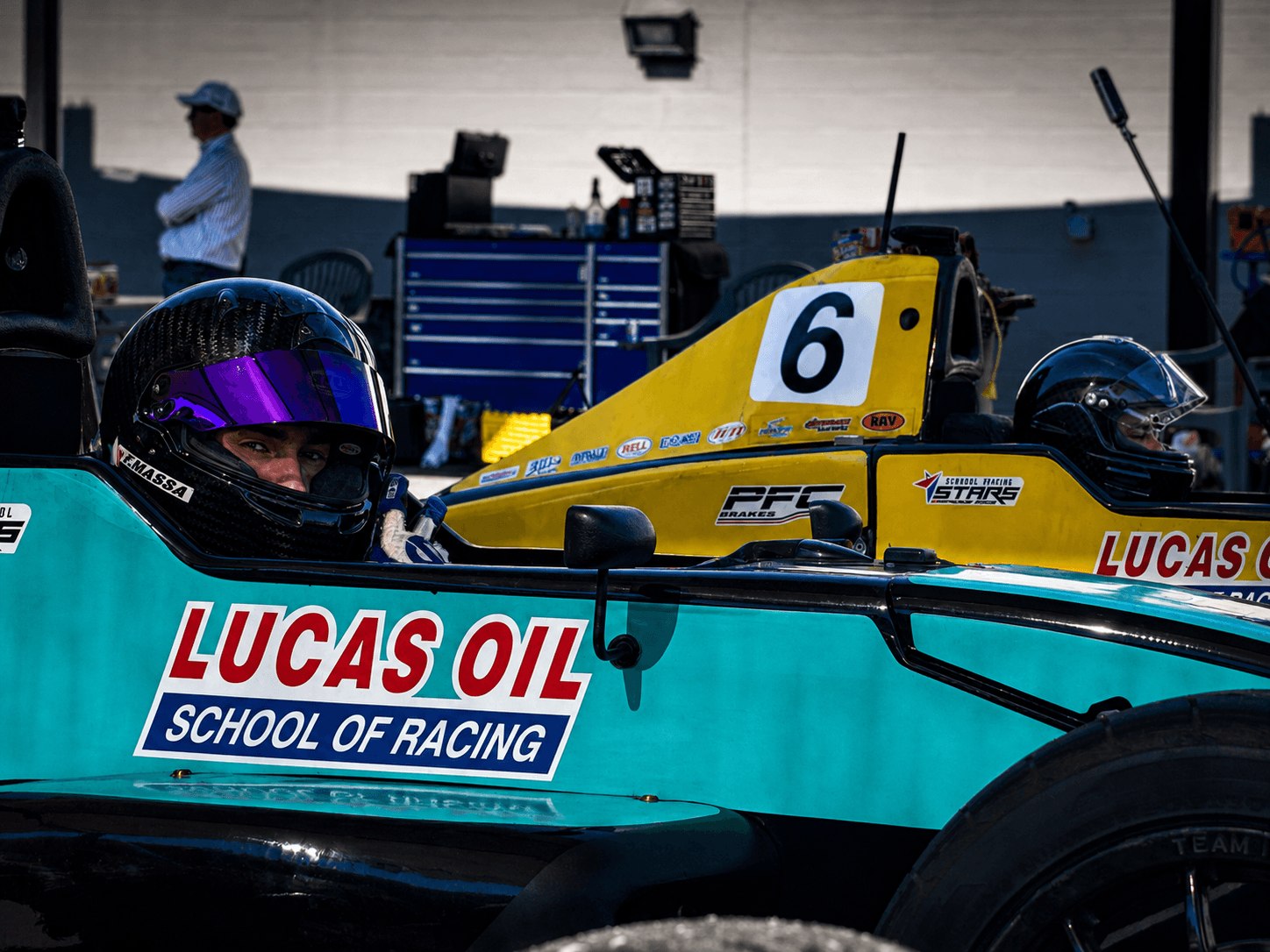
Close-up of Filippo Massa helmeted in the cockpit

Open-Wheel Precision

Cockpit discipline

Focus, restraint, and clean inputs before the car moves.

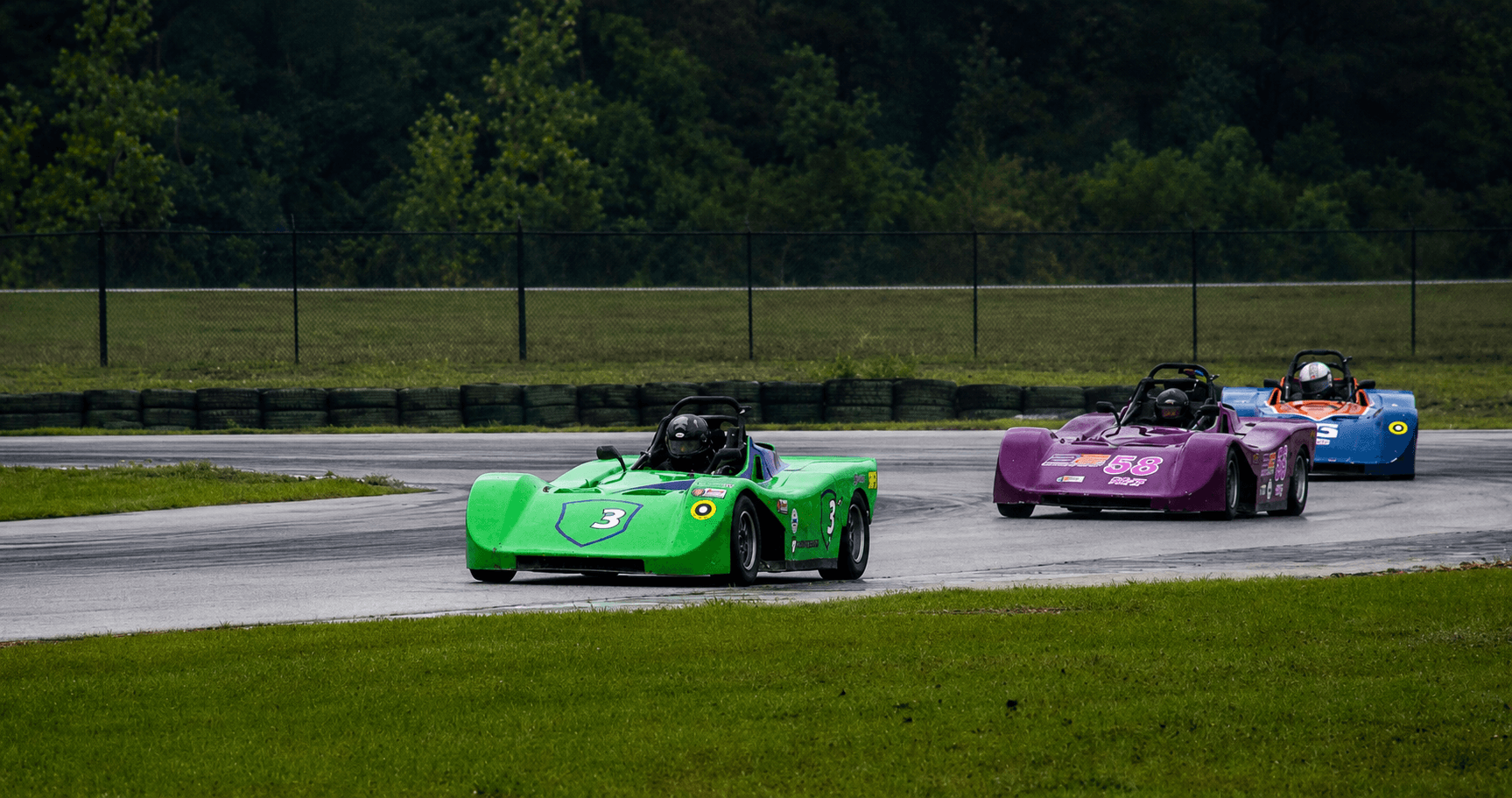
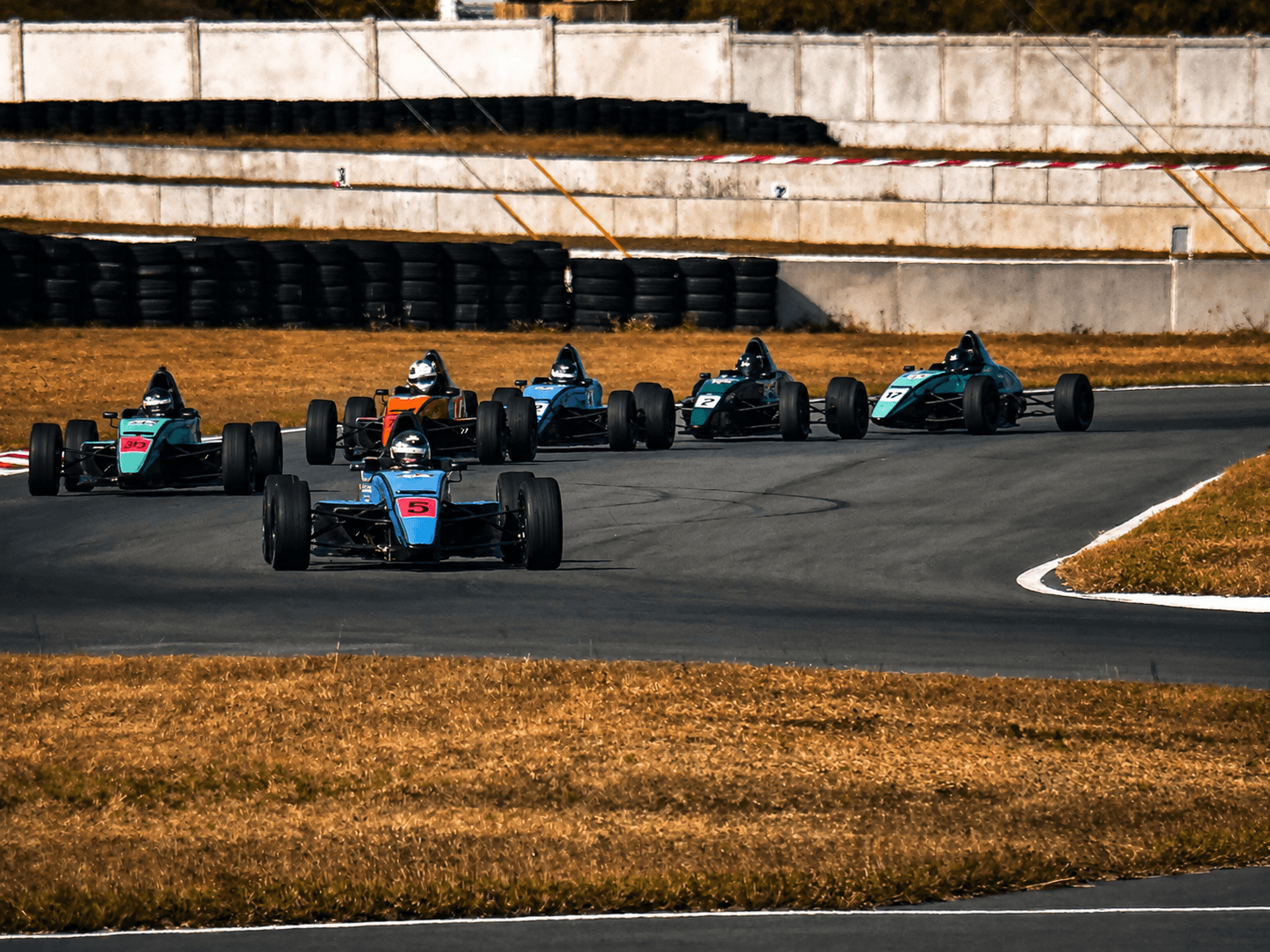
Open-wheel cars racing in traffic with an orange car ahead

Traffic Awareness

Traffic awareness

Reading spacing, timing, and decisions around other cars.

Open-wheel car number 70 cornering on track

Racecraft Detail

Cornering detail

Racecraft also shows in how speed is built through the corner.

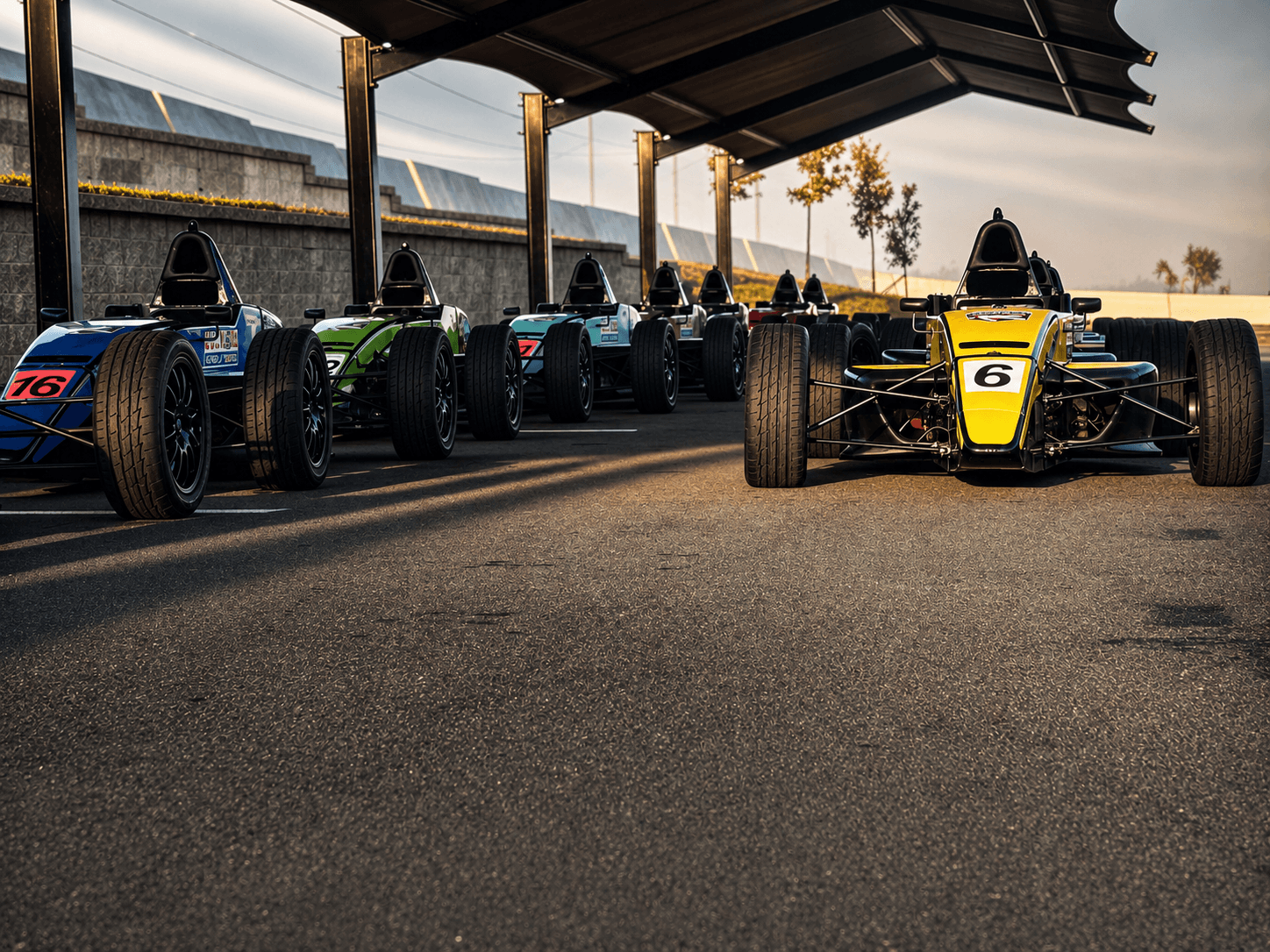
Open-wheel cars side by side during Lucas Oil race school activity

Wheel-to-Wheel

Wheel-to-wheel awareness

Learning to place the car around others without losing precision.

Open-wheel precision

Clean inputs, sensitivity, and technical feedback.

Open-wheel development rewards discipline: how a driver brakes, rotates the car, communicates balance, and builds speed without unnecessary input.

Open-Wheel Precision

Precision profile

Speed starts with control.

In open-wheel race cars, small details matter quickly. Filippo's development focuses on braking discipline, clean steering, sensitivity to grip, and useful feedback through coaching and setup changes.

Sensitive inputs and precise brakingClean steering and throttle disciplineTechnical feedback through setup changesOpen-wheel development experienceRacecraft built around space, timing, and precision

Closed-wheel racecraft

Traffic, contact margins, and heavier-car behavior.

Closed-wheel development adds a different layer: closer racing, more traffic, different car behavior, and skills relevant to an American stock car direction.

Closed-wheel profile

Racecraft in tighter spaces.

Closed-wheel work asks a driver to understand traffic, visibility, defensive positioning, and how heavier cars respond over a run. It is part of building a broader profile for American motorsport.

Close-quarters awarenessTraffic management and defensive positioningLearning heavier race car behaviorStock car and sports car directionAmerican stock car direction and adaptability

Closed-Wheel Racecraft

Traffic / Space / Adaptability

Training and development

Built through repetition, coaching, and feedback.

Filippo's development combines early racecraft foundations with professional training environments and the discipline required to keep learning.

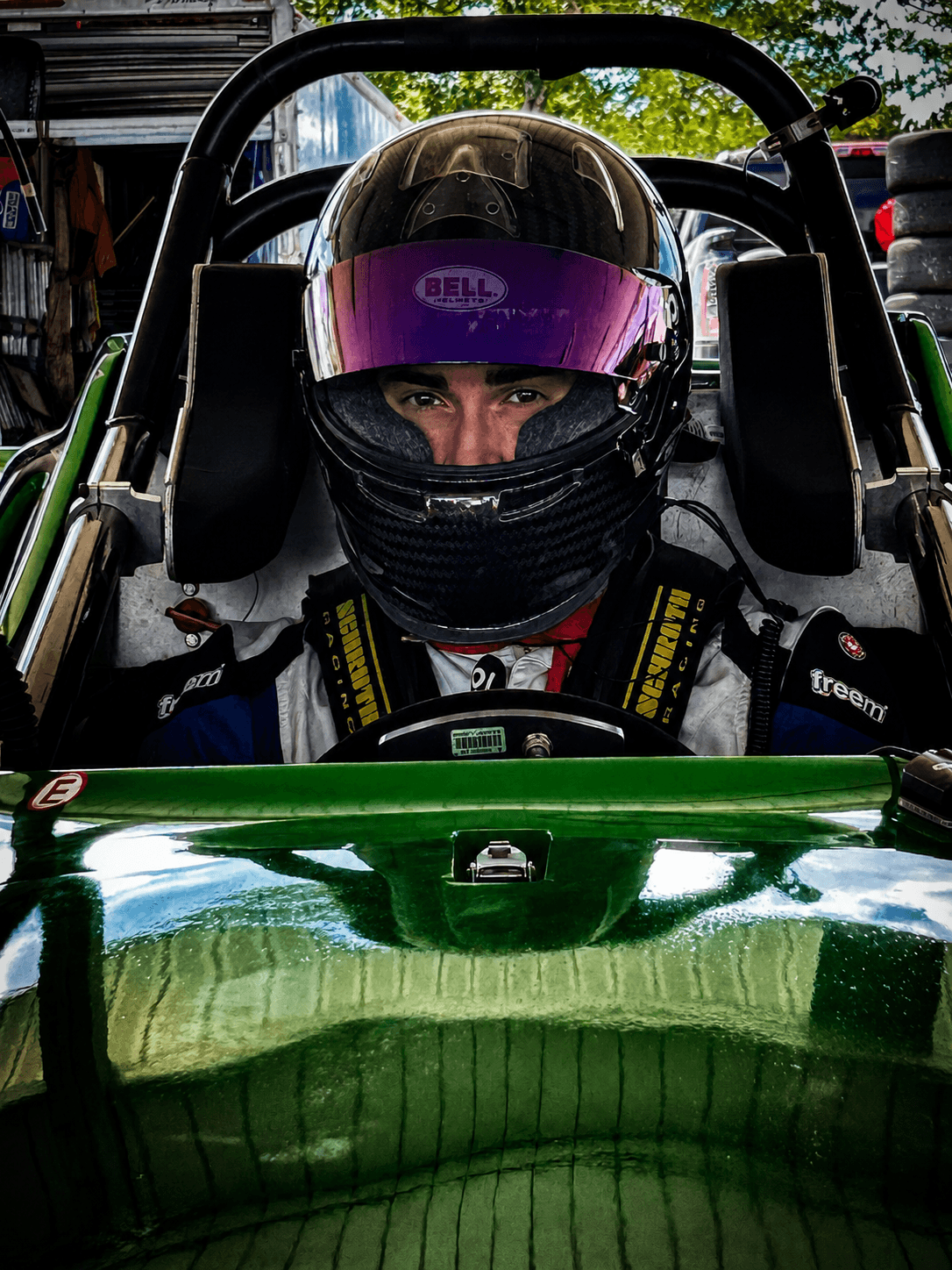
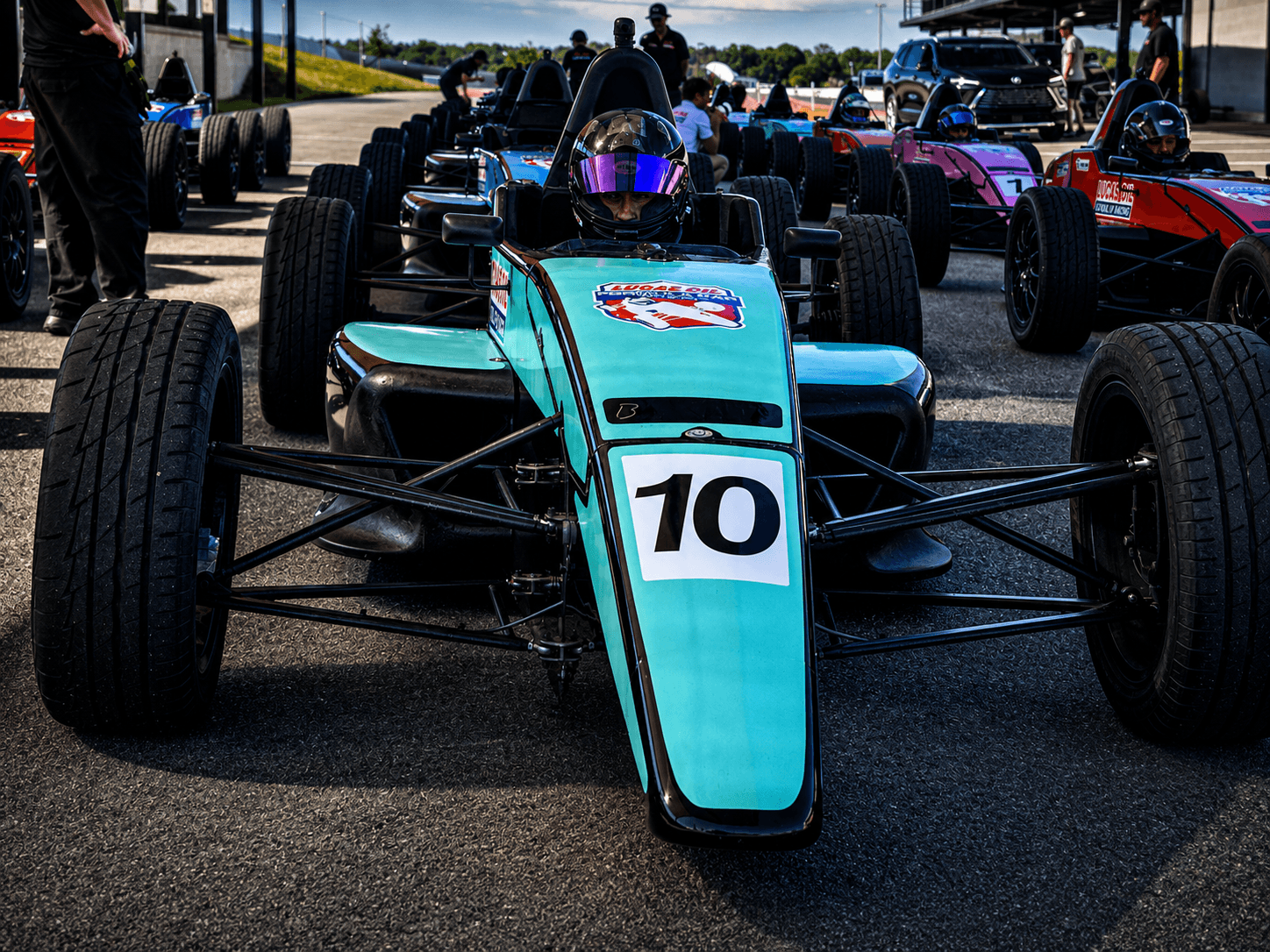
Filippo Massa helmeted on the starting grid making eye contact

Training mindset

Karting Foundation

Early racecraft built through braking, awareness, control, and close racing.

Professional Driver Schools

Structured instruction focused on technique, decision-making, and consistency.

Testing and Race Weekends

Practical development through seat time, preparation, feedback, and execution.

SCCA Full Competition License

A current licensing milestone supporting participation in U.S. competition.

Physical and Mental Discipline

Preparation habits that support focus, endurance, and repeatable performance.

Feedback with Engineers and Coaches

Learning to describe balance, grip, and behavior in ways a team can use.

Core development areas

The details behind the profile.

These are development areas, not invented performance claims. They describe the skills Filippo is building as he grows across race cars and race weekends.

Open-wheel car number 70 on the grid before a session

Racecraft detail

Braking feel

Developing confidence, pressure control, and repeatable entry speed across different cars.

Car control

Understanding grip, balance, rotation, and recovery when conditions change.

Technical feedback

Communicating what the car is doing clearly enough for coaches, engineers, and teams to act on.

Starts and restarts

Building awareness, launch discipline, and decision-making when the field compresses.

Passing and defense

Learning when to attack, when to protect track position, and how to race cleanly.

Tire management

Developing patience, input discipline, and awareness of how pace changes across a run.

Adaptability

Moving between open-wheel and closed-wheel cars without relying on one driving style.

Consistency

Turning speed into repeatable laps, useful feedback, and dependable race-week execution.

Why adaptability matters

A broader profile for American motorsport.

Open-wheel and closed-wheel development gives teams, sponsors, coaches, and media a more complete view of how a driver learns and represents a program.

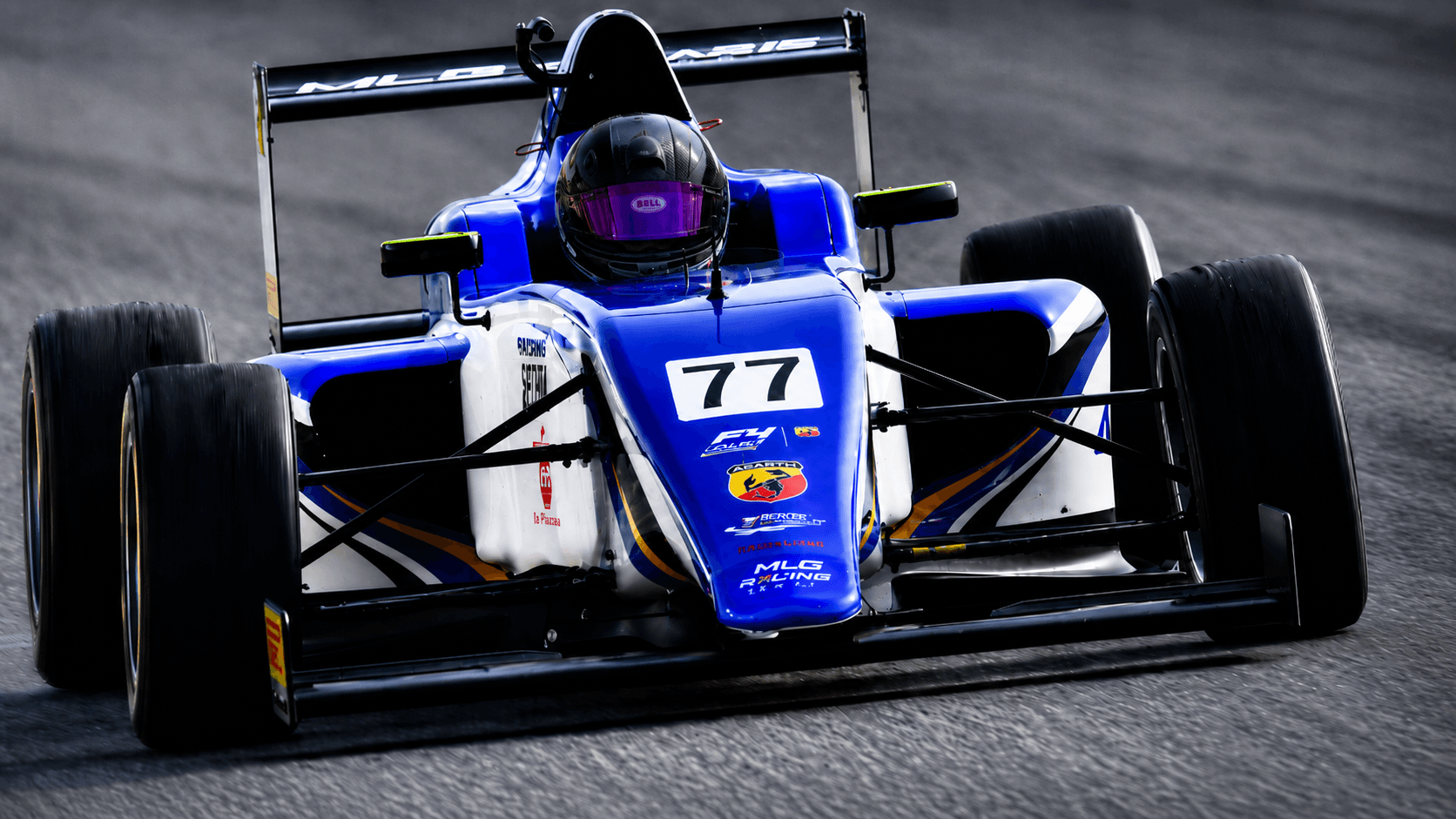
Blue Formula 4 car in front view action on track

Track action

Teams

A broader driver profile helps teams evaluate learning speed, feedback quality, and discipline across different cars.

Sponsors

A versatile development story creates more ways to follow and explain the career beyond one category.

Coaches

Open-wheel and closed-wheel work gives coaches multiple reference points for building racecraft.

American motorsport pathways

Adaptability matters in a racing landscape where career growth can move through different cars and environments.

Next step

Built across disciplines.

For teams, partners, and media looking at Filippo Massa's development, the story is not limited to one category. It is built around adaptability, discipline, and long-term growth in American motorsport.